
Understanding technofeudalism and why you're already part of it
9/15/2026 · 8 min read
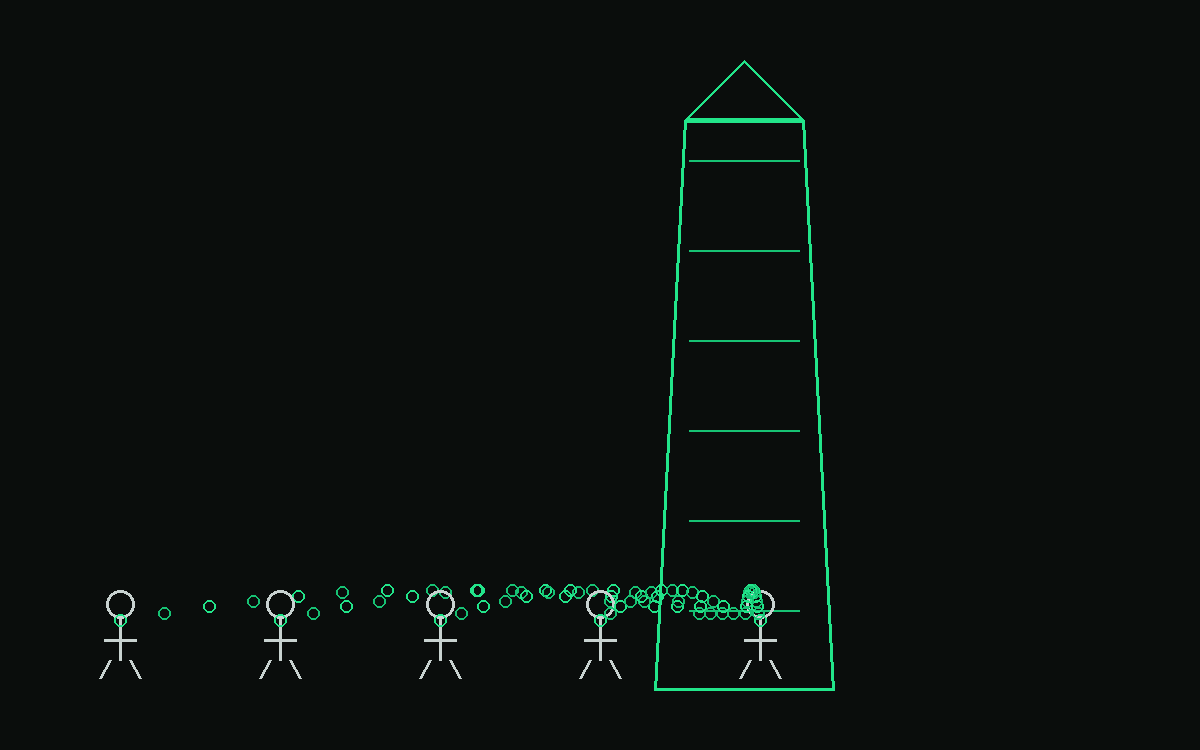
The term "technofeudalism" gained traction with the book "Technofeudalism: What Killed Capitalism" (2023), by Greek economist Yanis Varoufakis. The central thesis is provocative: capitalism as we knew it has been replaced by a new system where profit no longer comes from selling goods in competitive markets, but from charging "rent" for access to the digital platforms that control our daily lives.
In practice, this means companies like Amazon, Google, Meta, and Apple don't compete with each other like traditional businesses. They function more like medieval landlords: you're not buying a product, you're paying for the right to use the platform. Every app you install, every search you make, every online purchase passes through a digital "fiefdom" that charges its fee and collects your data as part of the deal.
You're already part of this system, even if you don't notice it. Every time you use a smartphone running a big tech operating system, store files in a cloud you don't control, or rely on a recommendation algorithm to decide what to read or buy, you're paying "tribute" to these digital fiefdoms — in money, in data, or in both.
The crucial difference from traditional capitalism is the absence of a genuinely free market. There is no real competition when a handful of platforms control access to basic digital infrastructure: search, social networks, cloud computing, mobile operating systems. Migrating from one platform to another comes at a high cost (the so-called vendor lock-in), and that gives these companies a power that resembles territorial sovereignty more than market competition.
Understanding this concept is the first step toward making conscious decisions: choosing free, auditable software, hosting your own data when possible, and supporting companies and developers building alternatives outside these digital fiefdoms. It's not about abandoning technology, but about reclaiming sovereignty over how and where your data and attention flow.